Clean energy refers to energy that is produced and used in ways that reduce pollution, lower carbon emissions, and rely on sustainable resources rather than finite fossil fuels. It is a central pillar of the global transition toward more resilient, decentralized, and consumer-focused energy systems.
A Shift from Centralized Fossil Fuels to Distributed, Renewable Systems
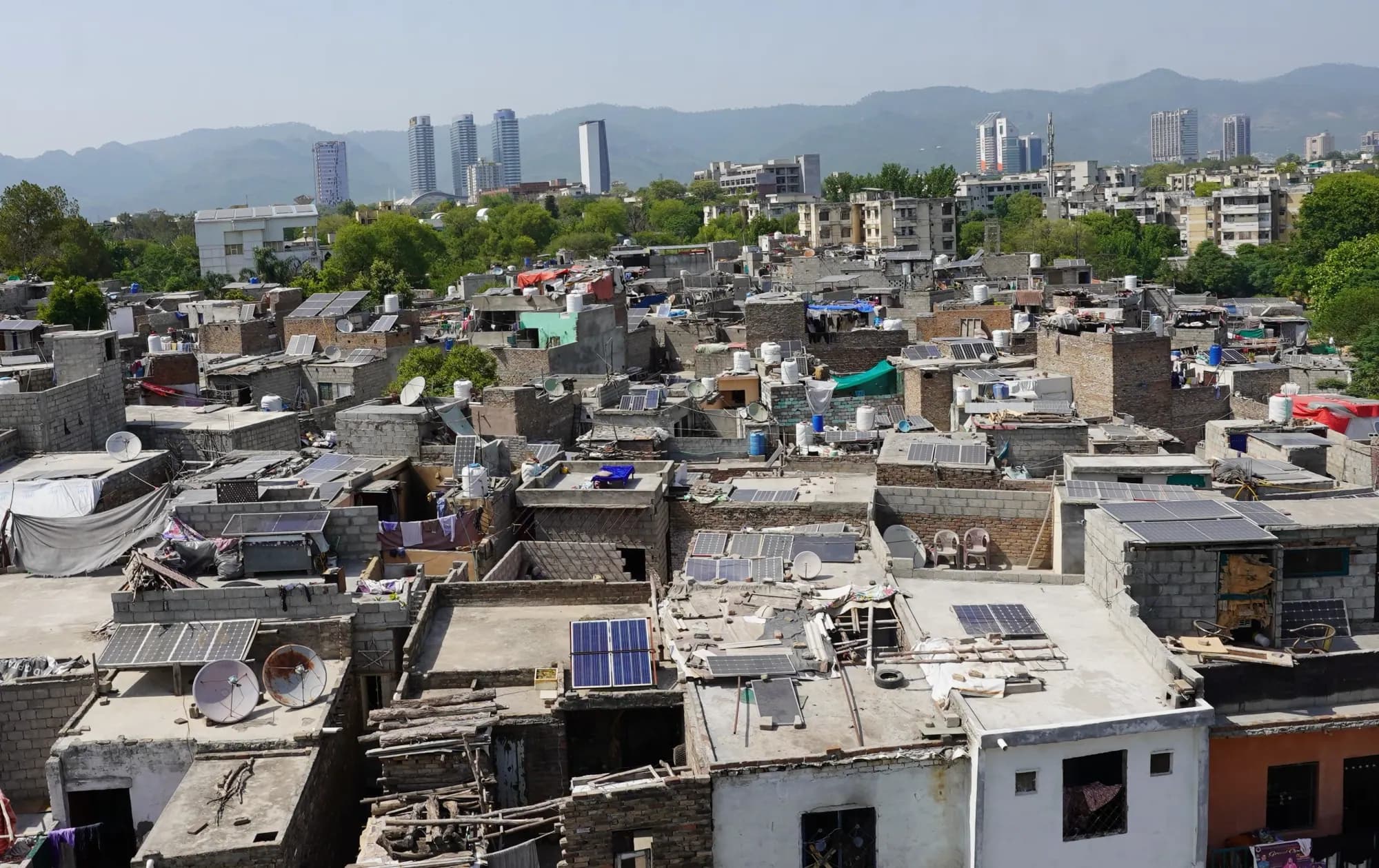
Traditionally, electricity systems have depended on large, centralized power plants fuelled by coal, oil, or gas. Clean energy transforms this model by enabling generation closer to where it is consumed — through solar PV, storage, and efficient electric systems.
Key Shift
Households and businesses become active participants in energy generation and management — not passive consumers.
Why Clean Energy Matters Now
- Renewable technologies have reached cost parity with fossil fuels in many markets — and solar financing makes upfront costs more manageable.
- Clean energy is no longer just an environmental choice — it is a financially viable solution.
- Energy systems worldwide are decentralizing, creating new opportunities for households to save and earn.
Bottom Line
Clean energy is no longer just an environmental choice — it is increasingly a practical and financially viable solution for consumers.
Clean Energy as a Consumer Opportunity
Clean energy includes a wide range of consumer-level technologies that together form an integrated energy solution:
- Rooftop solar panels (photovoltaic systems)
- Battery storage and smart energy management
- Efficient heating, cooling, and electrified appliances
- Electric vehicle charging infrastructure
- Building efficiency upgrades and smart meters
Key Takeaway
When combined, these technologies allow consumers to reduce reliance on conventional electricity sources, improve efficiency, and optimize how energy is produced and used.
From Single Products to Integrated Energy Solutions
Clean energy works best as a system, not as isolated technologies. Combining solar panels with storage or efficiency improvements maximizes savings, reduces risks, and improves overall performance.
- Lower transaction costs when products are bundled together
- Better financial returns over the system's lifetime
- Simplified decision-making for consumers
Empowering Consumers through the Energy Transition
The global clean-energy transition requires more than technology deployment — it requires empowering consumers at every stage. Effective support must:
- Guide consumers from awareness through to adoption and long-term use.
- Provide access to the mix of products and services needed to unlock savings and new value streams.
Consumer-Centered Approach
Accessible, trustworthy guidance ensures clean energy is beneficial across different income levels and geographic regions.
Clean Energy and Energy Resilience
Clean energy solutions improve energy reliability and independence — especially in areas facing grid instability or rising electricity costs.
- Solar systems — combined with net metering — maintain electricity access during grid outages.
- Distributed generation reduces vulnerability to price fluctuations.
- Diversified energy supply strengthens national resilience.
Environmental and Climate Benefits
- Reduces dependence on carbon-intensive fossil fuels.
- Helps countries meet national climate commitments.
- Accelerates emission reductions at the consumer level.
- Builds public support for sustainable development.
Climate Impact
By accelerating the adoption of renewable technologies at the consumer level, clean energy contributes directly to emission reductions while also building public support for sustainable development.
A Global Opportunity with Local Impact
Countries at every stage of development can benefit from rooftop solar, flexible tariffs, and distributed energy resources. Realizing these benefits requires support systems tailored to each country's specific context.
- Countries at every stage of development have growing opportunities with rooftop solar, flexible tariffs, and distributed energy resources.
- Realizing these benefits requires tailored support systems that reflect each country's specific economic, regulatory, and technical context.
- Consumer-focused models like One-Stop-Shops make clean energy adoption simpler, more affordable, and more accessible.
Clean Energy as a Pathway to Inclusive Growth
Clean energy is not only about decarbonization — it is also about ensuring equitable access to modern energy solutions.
- Initiatives specifically target low- and moderate-income households.
- Grants, financing, and efficiency programs lower barriers to entry.
- Participation in renewable systems becomes available across income levels.
Key Takeaway
By lowering barriers to entry, clean energy becomes a tool for economic inclusion as well as environmental protection.