/ Electric Vehicles
Electric Vehicles (EVs)
Electric vehicles are an important part of Pakistan's clean energy transition. By replacing petrol and diesel vehicles with electric alternatives, households and businesses can significantly reduce fuel costs, lower emissions, and contribute to a more sustainable energy system.
/ Topics
Three starting points, depending on where you are.
/ What are Electric Vehicles?
Electric vehicles run on electricity stored in batteries instead of petrol or diesel.
They include:
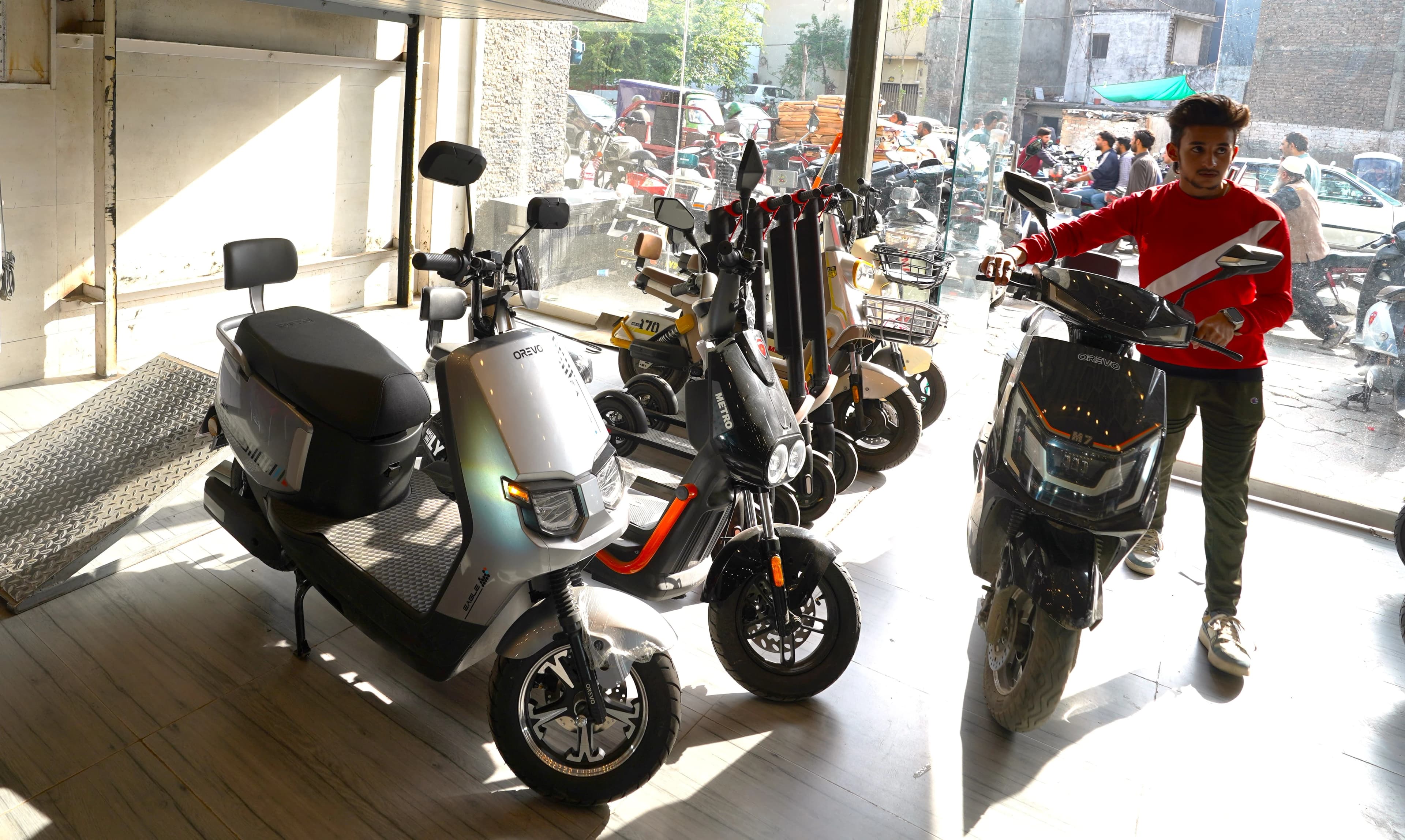
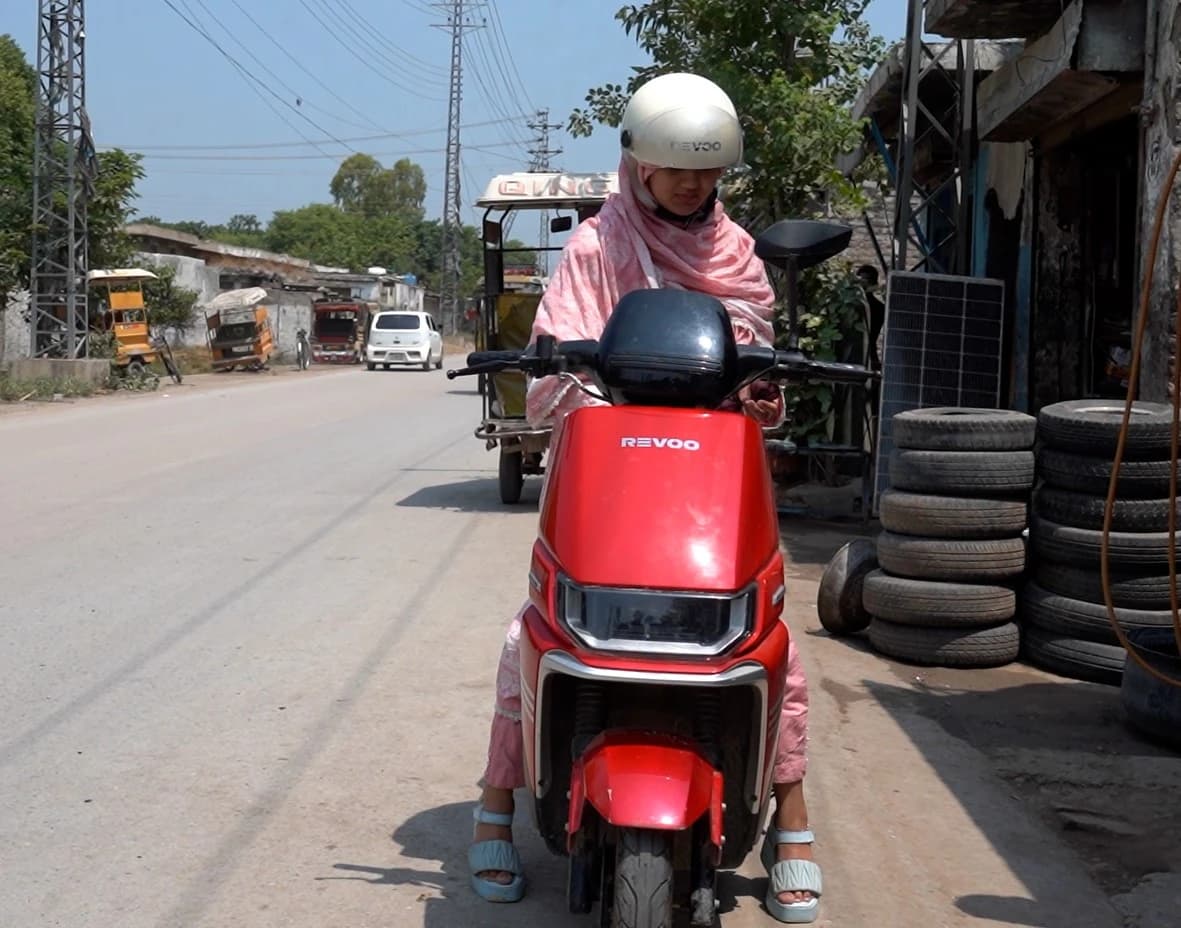
- Two-wheelers (electric bikes and scooters) are the most popular and affordable segment in Pakistan.
- Three-wheelers (electric rickshaws and loaders) – widely used for last-mile delivery and passenger transport.
- Four-wheelers (electric cars) – gaining traction in urban areas.
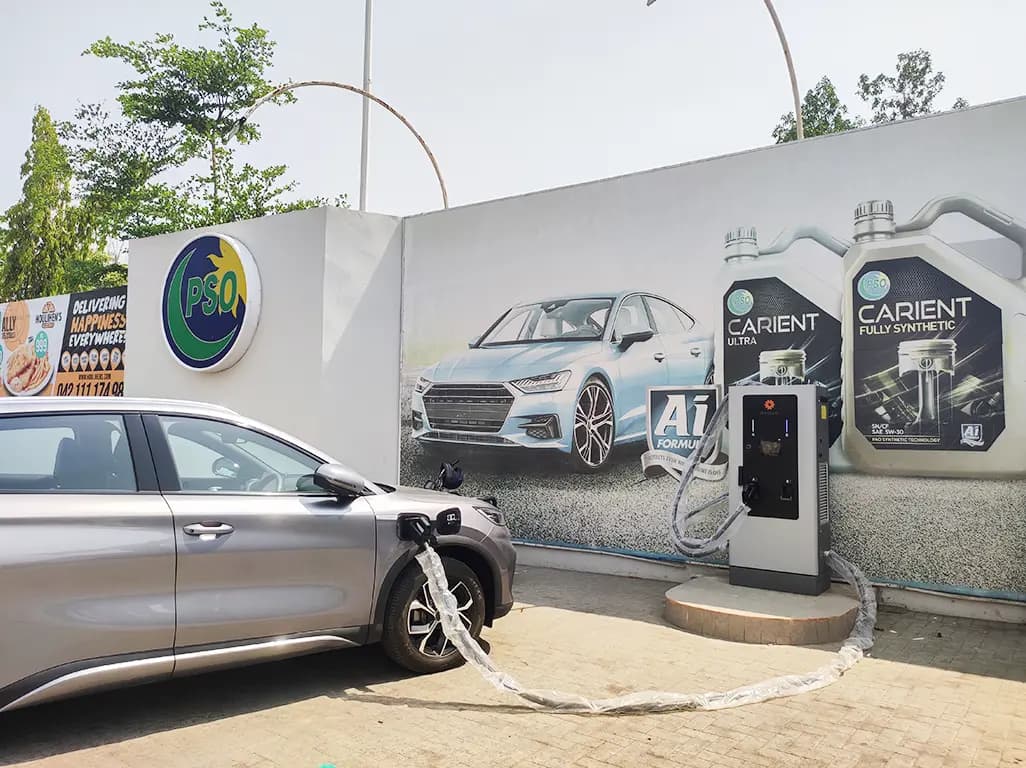
- Charging infrastructure – home chargers, public stations, and battery swapping systems.
EVs produce zero tailpipe emissions, require less maintenance (no engine oil changes or complex mechanical parts), and offer much lower running costs compared to conventional vehicles — a core piece of the broader clean energy shift.
Sabz Bijli (OSS Pakistan) provides neutral, practical guidance to help consumers understand EVs, assess their suitability, explore financing and incentives, and make informed decisions. You can also calculate your savings to compare running costs.
/ Why EVs Matter for Pakistani Consumers
EVs address Pakistan's high fuel import costs, frequent outages, and poor air quality.
Pakistan faces high fuel import costs, frequent power outages, and serious air pollution in major cities. EVs address these challenges by:
- Reducing monthly fuel and maintenance expenses (savings of up to 60% or more for two-wheelers).
- Improving energy security by shifting transport away from imported oil toward locally generated electricity.
- Supporting national goals to cut carbon emissions and improve air quality.
- Creating opportunities for consumers who already have or plan to install solar systems to charge EVs during the day at very low or near-zero cost.
Key Takeaway
When paired with rooftop solar and batteries, an EV becomes part of an integrated clean energy solution for the home or small business.
/ Current Status and Growth
The EV market in Pakistan is growing rapidly.
- Two- and three-wheeler segment leads growth — strong monthly sales increases.
- Traditional petrol vehicle sales are declining as EV adoption accelerates.
- NEV Policy 2025–30: 30% of new vehicle sales electric by 2030, 90% by 2040.
- Over 3,000 public charging stations planned — 350+ already operational in cities.
- Electric bikes start from Rs. 90,000–250,000; local assembly is improving affordability.
Key Takeaway
Pakistan targets 30% of all new vehicle sales to be electric by 2030 — rising to 90% by 2040 under the NEV Policy.
/ How to Get Started
How to Get Started with an EV – Step-by-Step Guidance
Assess Your Needs
Calculate daily distance, load requirements, and available parking/charging space. Review your electricity bill if planning home charging.
Explore Models and Quotations
Compare range, battery type (lithium-ion is becoming more common for better lifespan), warranty, and after-sales service from reputable brands and assemblers.
Check Charging Options
Decide between home charging (ideal with solar) or reliance on public stations. Consider battery swapping where available.
Understand Financing and Incentives
Look at bank loans, Islamic financing, microfinance options, and government subsidies. Combine with solar financing for maximum savings.
Purchase and Installation
Buy from trusted sellers. For home chargers, use qualified electricians familiar with safety standards.
Maintenance and Monitoring
EVs need minimal maintenance – mainly tire checks, brake inspection, and software updates. Monitor battery health through the vehicle's app or display.
/ Benefits of Combining EVs with Solar and Batteries
Turn your home into a true clean energy hub.
- Charge your EV using free or low-cost solar power during daylight hours.
- Use home batteries for backup charging during load shedding.
- Maximize net metering benefits by exporting excess solar energy while reducing overall grid dependence.
- Achieve greater energy independence and even lower running costs.
Key Takeaway
This integrated approach turns your home into a true clean energy hub — solar, storage, and EV working together.
/ Types of EVs Suitable for Pakistan
The right EV category depends on your usage.
1. Electric Two-Wheelers (Bikes & Scooters)
/ Best For
Best for daily commuting, students, and small deliveries.
/ Advantages
Low purchase price, very cheap to run, easy to charge at home.
/ Considerations
Range typically 80–150+ km per charge, depending on model and battery.
2. Electric Three-Wheelers (Rickshaws & Loaders)
/ Best For
Ideal for passenger transport or goods delivery.
/ Advantages
Higher load capacity and strong government support through subsidies.
/ Considerations
Battery size affects daily operating hours.
3. Electric Four-Wheelers (Cars)
/ Best For
Suitable for families in cities with stable electricity and growing charging access.
/ Advantages
Comfort, longer range in newer models, and net savings over time.
/ Considerations
Higher upfront cost; best for users who can combine with solar.
4. Charging Solutions
- Home charging: Using a standard or dedicated wall charger (can be powered by solar).
- Public charging stations: Level 2 and DC fast chargers in cities and along highways.
- Battery swapping: Emerging option for quick "refueling" of two- and three-wheelers.
/ Looking Ahead
A trusted gateway to knowledge, tools, and guidance.
Our goal is to simplify the process so more households can confidently participate in Pakistan's clean energy transition.